The story of Kenya is inextricably linked to the struggle for justice, and at the heart of that narrative is the enduring, often challenging, fight for women's rights. From pre-colonial autonomy to the progressive legal framework of today, Kenyan women have been tireless architects of change, chipping away at patriarchal structures to claim their rightful space in society.
A History of Resilience and Advocacy
Kenyan women have a powerful legacy of activism. Before colonialism, women in many communities held significant social and economic influence. However, British rule marginalized women, confining them largely to the domestic sphere and eroding their access to land and resources.
Despite this, women were at the forefront of the fight for independence, with figures like Mekatilili wa Menza and Muthoni wa Kirima fighting alongside men. Post-independence, the struggle continued, shifting towards political participation and legal reform. A key milestone came in 1963 when Kenyan women gained the right to vote and run for office.
Decades of tireless advocacy by organizations like the National Council of Women of Kenya (NCWK) and the Federation of Women Lawyers in Kenya (FIDA-K) laid the groundwork for significant legal advancements.
The Constitutional Turning Point: A Progressive Framework
The most transformative leap came with the promulgation of the 2010 Constitution of Kenya. This document is a beacon of gender equality, explicitly guaranteeing non-discrimination and enshrining principles that protect women's rights in various spheres.
Key legal safeguards include:
- The Two-Thirds Gender Rule: This constitutional provision mandates that no more than two-thirds of members in elective and appointive bodies shall be of the same gender, aiming to increase women's political representation. While its full implementation in Parliament remains a challenge, it has catalyzed increased participation.
- Protection Against Violence: Laws like the Sexual Offences Act (2006) and the Protection Against Domestic Violence Act (2015) criminalize various forms of gender-based violence (GBV), offering victims a legal avenue for justice.
- Property and Succession: Legislation such as the Matrimonial Property Act and the Land Act have sought to correct historical injustices by guaranteeing women equal rights to land ownership, property acquisition, and inheritance.
The Battle Beyond the Statute Book
Despite this strong legal backbone, a significant gap persists between law and reality. Progress is undeniable, but it is often met with the stubborn resistance of deeply entrenched patriarchal norms and retrogressive cultural practices.
Major Ongoing Challenges:
- Political Representation: The full implementation of the two-thirds gender rule remains a contentious political issue. While women's representation in various sectors and county governments has improved, achieving parity in the National Assembly and Senate is a persistent struggle.
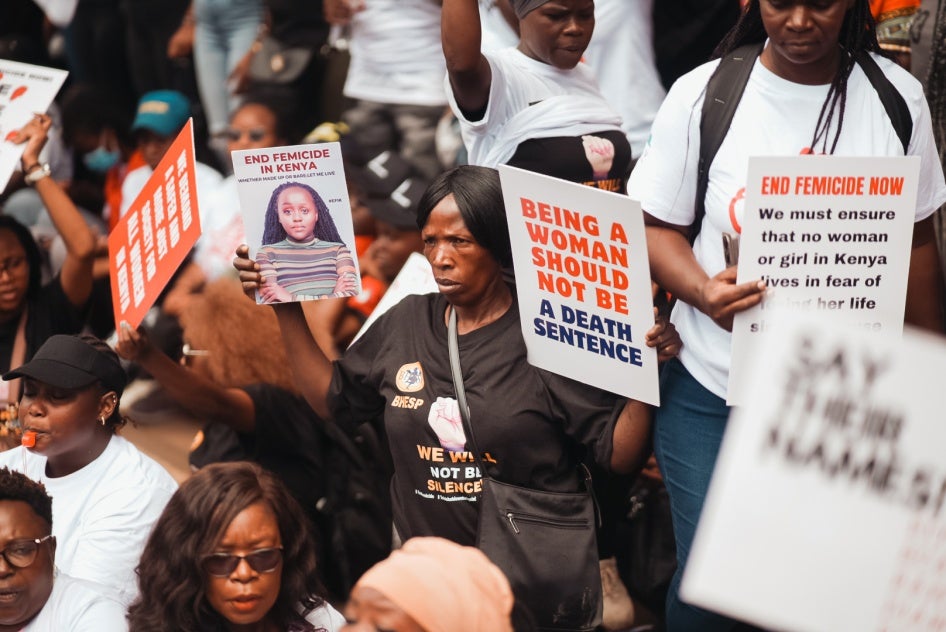
- Gender-Based Violence (GBV): GBV remains a major crisis. Cultural silence, victim-blaming, and a backlog in the justice system often hinder the prosecution of perpetrators, leaving many women and girls vulnerable.
- Harmful Cultural Practices: Practices like Female Genital Mutilation (FGM) and early/child marriage, particularly in marginalized communities, continue to deny girls their rights to health, education, and bodily autonomy, despite being outlawed.
- Economic Disparity: Women, especially those in rural areas, still face unequal access to financial resources, credit, and decision-making power over land and family assets, which stifles their economic empowerment.
The Way Forward: Collective Action and Unwavering Hope
The quiet revolution for women's rights in Kenya is far from over, but the momentum is strong. Progress is driven by a vibrant community of civil society organizations, grassroots movements, and dedicated government champions.
The future of gender equality in Kenya lies in:
- Sustained Legal Enforcement: Ensuring that constitutional and legislative provisions are actively implemented, particularly at the community level.
- Civic Education: Empowering women, especially those in rural and marginalized areas, with the knowledge of their rights and the legal tools available to them.
- Challenging Patriarchy: A concerted effort to shift cultural attitudes and dismantle the patriarchal structures that underpin discrimination.
- Empowering Grassroots Activists: Supporting the tireless women and men working on the frontlines to end FGM, child marriage, and GBV.
The Kenyan woman is a force of resilience, a builder, an activist, and a leader. Her fight for equality is not just a fight for half the population; it is a fight for a more just, prosperous, and equitable Kenya for everyone. The journey is long, but with every challenge, the resolve to reach the constitutional promise of equality only strengthens.